
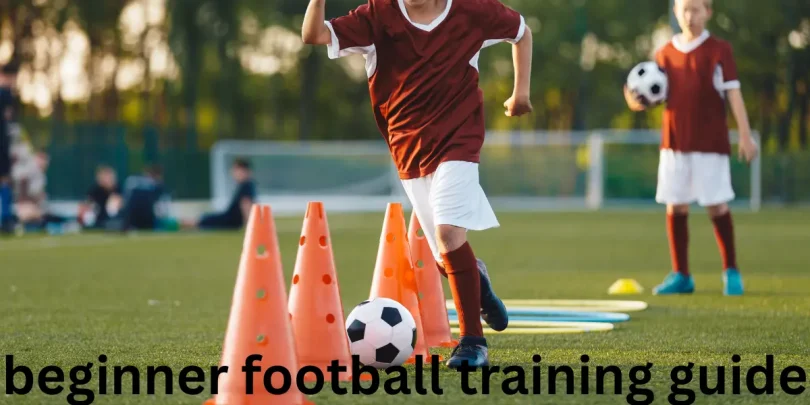

Let’s be real—starting football can feel overwhelming. You watch the pros on TV making amazing passes and goals, and suddenly your feet feel like bricks, and your passes go everywhere except where you want. You might even feel unsure about which drills to practice, how often to train, or what skills to focus on first. That’s why a beginner football training guide is a game-changer. Think of it as a friendly roadmap to get you from “what am I even doing?” to confidently handling the ball, making smarter plays, and enjoying every single practice session. No fluff, just real talk on how to improve step by step while keeping it fun and manageable.
Understanding the Basics Before You Kick

Before you dive into drills, routines, or matches, it’s important to understand the fundamentals of football. Football isn’t just running around chasing a ball—it’s about control, positioning, decision-making, and understanding how the game flows. For beginners, mastering these basics early makes everything else easier and more enjoyable. Ball control, footwork, basic fitness, and a clear understanding of the rules should all be on your radar. Learning the correct techniques now prevents bad habits that are hard to break later. Even simple practices like how to stop the ball properly, how to pass with accuracy, and how to position yourself on the field can make a huge difference in your overall performance. Start small, even in your backyard or a local park, and remember that consistency beats intensity at this stage.
Building Your First Training Routine
Many beginners get stuck trying to train like professional athletes, pushing themselves too hard and burning out quickly. The key is simplicity and regularity. A well-structured routine doesn’t need to be complicated or long—it just needs to cover the essential skills and allow time for your body to adapt. Start each session with a warm-up to get your muscles ready, then move to drills focusing on ball control, footwork, and agility. Short, focused sessions are far more effective than long, exhausting ones that leave you frustrated. For example, a 45-minute routine might include light jogging and dynamic stretches for warm-up, passing and dribbling drills for skill improvement, footwork and agility exercises to enhance coordination, shooting practice for accuracy, and a short cool-down with stretching to relax your muscles. Sticking to this kind of routine regularly is much better than sporadic, intense practice sessions.
Essential Skills Every Beginner Should Master
When starting out, it’s tempting to try everything at once, but focusing on the right skills first accelerates progress. Passing is fundamental, so practice short passes with accuracy before worrying about power. Dribbling is next—control and agility matter more than speed at this stage. Shooting techniques should focus on hitting the ball cleanly and accurately rather than trying to blast it across the goal. Basic defending skills are also important; even beginners can learn how to position themselves, anticipate opponents, and make simple interceptions. Fitness and stamina are crucial as well, because football requires quick bursts of energy, sustained running, and overall physical strength. Incorporating short sprints, jogging, and basic strength exercises into your routine helps improve performance on the field and reduces the risk of injury.
You may also like to read this
Post Match Analytical Reports: Insider Breakdown for Smarter Sports Insights
Game Prediction and Analysis: Expert Insights for Smarter Decision
Unlock Winning Power with expert sports strategy insights
Unlock Winning Strategies: Basketball Team Performance Review Insights
Master the Game: Deep Cricket Match Breakdown You Can’t Miss
Common Beginner Mistakes and How to Avoid Them
Making mistakes is a natural part of learning, but some common errors can slow your progress if you’re not aware of them. Overtraining is a big one—pushing too hard can lead to fatigue, frustration, and even injury. Skipping fundamentals might feel exciting, but it will make learning advanced skills harder later. Playing without a clear plan or goals can also be counterproductive, so focus on small, achievable objectives for each session, such as improving pass accuracy or completing a dribble course cleanly. Fear of mistakes is another obstacle; remember, every error is an opportunity to learn and get better. Accepting this mindset helps you stay motivated and keeps the practice process enjoyable rather than stressful.
Mental Game: Confidence and Patience
Football is just as much about mindset as it is about physical skill. Confidence and patience are critical for beginners, and developing them early can make a huge difference. Celebrate small victories like completing a successful pass, dribbling past a marker without losing control, or improving your shooting accuracy. Visualization is another powerful tool—imagine yourself executing the perfect pass or scoring a goal, which helps build confidence and prepares your brain for success on the field. Frustration is normal, especially on tough days when nothing seems to go right. Learning to manage those feelings, take breaks when needed, and remind yourself that improvement takes time is a vital part of growing as a player.
Practicing Without a Team
Many beginners worry that they can’t practice effectively without a team. The truth is, solo practice can still be extremely valuable. You can work on wall passing, dribbling around cones or markers, shooting at a target, and basic fitness exercises like sprints, jumps, and agility drills. Even practicing alone, you can track improvement by setting mini-goals, like increasing dribbling speed or hitting a target consistently. Keeping your practice sessions fun and challenging ensures that you stay motivated, even without teammates.
Moving Forward: Joining a Team or Club
Once you’ve built some confidence and basic skills, joining a team or club is the next step to accelerate learning. Playing with others introduces you to real-game situations, teaches teamwork and positioning, and adds friendly competition that pushes you to improve. Don’t expect perfection—mistakes will happen, and that’s part of the learning process. Being part of a team is more about growth, communication, and developing an understanding of the game than winning every match. The social aspect also keeps football enjoyable and helps you stay committed to regular practice.
Tracking Your Progress
Keeping track of your improvement is motivating and helps identify areas for further development. Simple strategies include recording yourself performing drills to spot mistakes, setting weekly skill goals, and monitoring fitness improvements like speed, endurance, and agility. Over time, you’ll be able to see clear evidence of your growth, which boosts confidence and reinforces the benefits of regular practice.
Conclusion: You’ve Got This
Starting football can feel intimidating, but every professional was once a beginner. Showing up consistently, practicing smartly, and embracing mistakes as learning opportunities will help you grow both as a player and as someone who genuinely enjoys the game. Celebrate small wins, track your progress, and maintain a positive mindset. Here’s a simple checklist to keep in mind: warm-up before every session, focus on passing, dribbling, shooting, and defending, practice consistently but don’t overtrain, track progress and celebrate small wins, and stay patient, confident, and enjoy the process. Stick to your routine, embrace challenges, and enjoy the journey because with dedication and guidance from this beginner football training guide, you’re on the path to becoming the player you’ve always dreamed of being.
FAQs
What is a beginner football training guide?
A beginner football training guide is a resource designed to help new players learn the basics of football, including skills, techniques, drills, and fitness routines.
How often should beginners train in football?
Beginners should aim for consistent but manageable training, around 3 to 4 times a week, focusing on skills, fitness, and basic tactics.
What are the essential skills to learn first in football?
The most important skills for beginners are passing, dribbling, shooting, ball control, and basic defensive techniques.
Can beginners improve quickly with a training guide?
Yes, with regular practice, focus, and following structured drills, beginners can see noticeable improvement in a few weeks.
Do I need special equipment for a beginner football training guide?
Basic equipment like a football, comfortable sportswear, and proper shoes is enough to start training effectively.


