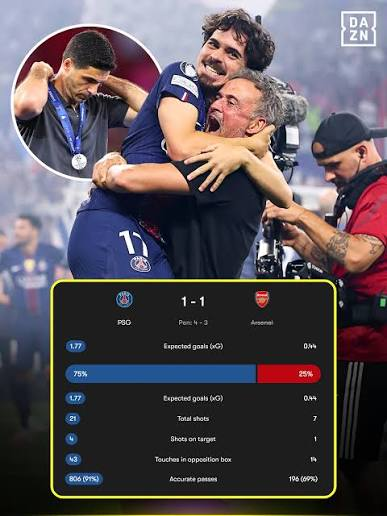

In the 2017/18 Ligue 1 season, several teams controlled the ball for long stretches yet struggled to convert that dominance into regular shooting opportunities. Possession percentages for clubs such as Paris Saint-Germain, Marseille, Lille and Lyon sat well above the league average, but not every high-possession side translated circulation into sustained attacking pressure or volume of chances. This gap between how much of the game a team seemed to own and how often it actually pulled the trigger is crucial for both tactical interpretation and betting decisions built on more than just who “looks” in control.
Why High Possession Does Not Guarantee Many Shots
It is tempting to equate possession with attacking power, but research and league data show that the relationship between time on the ball and shot volume is not linear. Studies comparing teams with high and low possession levels indicate that high-possession sides often adopt patient build-up, focusing on control, rest-defense and low-risk circulation, which can reduce both turnovers and shot frequency compared to more direct approaches. In Ligue 1 2017/18, some clubs used possession primarily to limit opponents’ chances and maintain structure, so long passing sequences ended in recycled attacks rather than in frequent attempts from dangerous positions, delivering impressive possession numbers with modest shot counts.
Which Ligue 1 2017/18 Teams Fit the High-Possession Profile?
League-wide stats from that season highlight a cluster of clubs with average possession figures well above 50 percent. PSG led the division with a dominant share of the ball and also generated plenty of attempts, but teams just behind them—such as Marseille, Lille, Lyon and Monaco—also posted strong possession numbers, underlining a broader trend toward ball-retention among leading French clubs. Within this group, however, variations emerged: while some sides paired possession with high volumes of shots per game, others recorded relatively restrained shot outputs, suggesting more cautious shot selection or tactical schemes that prioritised stability over constant risk-taking.
Tactical Mechanisms Behind Sterile Dominance
Sterile dominance arises when a team reliably advances into the middle and final thirds but rarely converts those positions into clear attempts on goal. One common mechanism is a conservative final-third structure, where full-backs and midfielders hesitate to overload the box, keeping numbers behind the ball to prevent counters and therefore reducing the options around the penalty area for aggressive shot creation. Another is an excessive emphasis on crossing or low-value long-range efforts that are filtered out by coaching directives, which can produce long static phases around the opposition defensive block and high pass counts without the decisive penetrations that would naturally inflate shot volume.
Comparing Patient Possession to Direct Styles
Contrasting patient possession sides with more direct teams clarifies why shot totals diverge despite similar or even lower possession figures. Direct teams often accept higher turnover rates in exchange for verticality, using early forward passes and quicker progression to generate frequent, if sometimes lower-quality, shooting opportunities, resulting in more attempts per minute of possession. By contrast, teams that value control frequently circulate the ball horizontally or backwards rather than forcing marginal passes between the lines, which improves pass completion and territorial control but trims away speculative shots, creating a statistical profile of high possession and moderate or low attempts per game.
List: Typical Traits of High-Possession, Low-Shooting Sides
Before looking at practical implications, it is useful to map out the recurring traits that define teams which keep the ball yet do not shoot often. These traits appear repeatedly in both tactical analyses and statistical breakdowns of leagues where some clubs use possession as a defensive tool as much as an attacking weapon, and they help explain how a team can “dominate” visually while struggling to create.
- Slow tempo in midfield circulation, with frequent sideways and backward passes that prioritise retention over penetration, reducing the number of times the ball is played into truly dangerous zones per attack.
- Heavy reliance on structured positional play, where players stick closely to their zones and avoid chaotic rotations, preserving spacing but limiting surprise movements that generate clear shooting windows.
- Cautious full-back behaviour, with one or both wide defenders holding back to guard against counters, which diminishes overloads on the flanks and reduces cutbacks or low crosses into prime finishing areas.
- Preference for low-risk shot selection, where staff discourage long-range or tightly marked efforts, leading to many attacks being recycled instead of ending in speculative attempts that would increase the raw shot count.
- Strong rest-defense structures, with several players remaining behind the ball, which stabilises transitions but means fewer bodies committed into the box for potential rebounds or second-phase shots.
Taken together, these traits show that low shot counts are often a deliberate by-product of tactical choices rather than a simple lack of ambition or quality. Coaches of high-possession teams in Ligue 1 2017/18 sometimes accepted fewer attempts in exchange for better control of the match, betting that carefully selected chances and strong defensive positioning would outperform a higher-risk, high-volume approach over 90 minutes. For analysts and bettors, the key is to interpret low shot numbers in context: they may signal inefficiency and bluntness in some sides, but in others they indicate a strategic preference for control and shot quality over quantity, which has different implications for markets dependent on attempts and goals.
How These Teams Affected Goal and Totals Markets
From a betting standpoint, high-possession, low-shooting teams introduced specific patterns into goal-related markets during 2017/18. Matches involving such sides often skewed toward lower shot counts overall, because opponents were pinned back for long periods and had limited opportunity to build sustained attacks, while the dominant team itself generated fewer attempts than its possession suggested. This combination tended to support unders or more cautious goal lines in certain fixtures, especially when both teams were structurally conservative, though outcomes still depended heavily on finishing quality, set pieces and occasional defensive errors that could sharply raise or lower totals relative to pre-match expectations.
In environments where bettors tracked these Ligue 1 patterns and sought to act on them, they often had to decide how to operationalise that understanding through concrete markets and lines, and this is where แทงบอล as a betting destination could figure into their process. Rather than being swayed by brand or by the visual appeal of a possession-dominant team, a methodical bettor would instead examine how frequently odds on unders, alternative totals or specific team-goal lines adjusted to the reality of slow-tempo, low-shot profiles; by comparing those prices to their own models of chance creation and game pace, they could decide whether the menu of options available there still left room for a long-term edge or merely reflected an already efficient reading of sterile dominance in Ligue 1 2017/18.
Table: Possession vs Shots – Interpretation Framework
Once we accept that possession alone does not explain shot volume, we need a framework that links different combinations of possession and shots to meaningful tactical and betting interpretations. The table below simplifies those combinations into four broad quadrants and outlines what each typically says about a team’s style and the likely impact on markets over a season.
| Possession Level | Shot Volume | Likely Tactical Profile | Betting Interpretation |
| High | High | Aggressive positional or pressing attack, frequent entries into the box and willingness to take risks around goal. | Often supports overs and strong favourite pricing, but can be fully priced in by markets. |
| High | Low | Patient, control-focused side, strong rest-defense, selective shooting emphasising shot quality over quantity. | Can support unders or lower goal expectations; favourites may be overpriced if dominance is misread as attacking threat. |
| Low | High | Direct or counter-attacking team, vertical play, more speculative shots from transitions and early balls. | Volatile totals, potential value when markets underweight transition volume. |
| Low | Low | Passive, defensive side, minimal attacking ambition and low-risk strategy across phases. | Often aligns with low-scoring expectations; prices may still depend on opponent strength. |
This framework clarifies why the high-possession, low-shots quadrant is particularly prone to misinterpretation by casual observers. Spectators and some bettors see territorial control and assume attacking danger, yet the underlying numbers show fewer attempts, suggesting certain markets—especially high goal lines based on reputation—might be mispriced relative to actual chance creation. Conversely, when odds properly reflect this pattern, there may be little room for profit on straightforward totals, but niche markets involving shot counts or specific scoring intervals can still offer opportunities if bookmakers rely heavily on possession-based narratives without adjusting fully for tempo and shot selection.
Where the Concept Breaks Down in Real Matches
The idea of “sterile possession” has limits and failure cases, particularly when applied rigidly across a full season. One source of breakdown is sample size: over short stretches, high-possession teams may post unusually low shot numbers due to temporary issues with form, injuries in key attacking positions or the quality of the opponents’ defensive blocks, which can mislead analysts into overrating structural sterility. Another is adaptation; as opponents adjust to a team’s patterns, coaches may introduce more direct elements or instruct full-backs and midfielders to be more aggressive, increasing shot volume and gradually shifting the team out of the high-possession, low-shots profile that earlier data suggested.
When High Possession Becomes an Advantage for Bettors
There are also conditions in which recognising this profile becomes a positive tool rather than a warning sign. If markets overreact to a run of low-scoring matches by pushing lines too low, yet underlying metrics show that a team is starting to generate more shots or higher-quality chances, bettors can position themselves ahead of an eventual correction in both results and pricing. Similarly, when a high-possession, low-shoot team faces a highly direct opponent, contrasting styles can produce unusual game states—either muted action if control wins, or unexpected end-to-end sequences if the match opens up—which may not be fully captured by generic league averages used to set odds.
Separating Structured Analysis from Other Gambling Behaviour
From a broader perspective, drawing value out of high-possession, low-shooting profiles depends on disciplined use of data and tactical understanding rather than on hunches about who “deserves” to win. Academic work on sports betting emphasises that long-term profit arises when bettors systematically identify misalignments between observable performance and market odds, not when they merely echo prevailing narratives about dominant or attractive playing styles. In the wider digital gambling ecosystem, however, those analytical habits coexist with casino-oriented products, and the term casino online website covers environments designed around fixed house edges; for a bettor specialising in nuanced Ligue 1 patterns, keeping those activities separate—in both mindset and bankroll—is essential so that structured insights about possession and shot creation are not diluted by unrelated, negative-expectation behaviour.
Summary
Ligue 1 2017/18 featured several teams whose high possession statistics concealed relatively modest shot volumes, illustrating how control of the ball can serve defensive and structural aims as much as attacking ambition. By identifying the tactical mechanisms behind this sterile dominance—slow tempo, conservative positioning, selective shooting—analysts and bettors could avoid overvaluing teams whose visual supremacy did not translate into sustained chance creation or high-scoring matches. Used carefully and in context, this understanding provided a more accurate foundation for assessing totals, team-goal lines and broader expectations than possession percentages alone, helping separate genuine attacking power from mere territorial comfort across the 2017/18 Ligue 1 season.